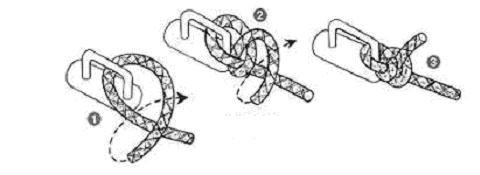
Common Knots
Sailors should be proficient in six basic knots:
1. Bowline
The most versatile knot, known as the "king of knots." It tightens under load to prevent slipping, yet remains easy to untie even after heavy tension.
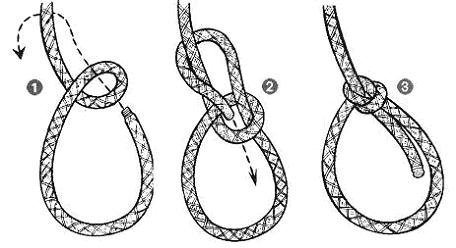
2. Clove Hitch
Used for securing a rope to a cylindrical object. While not the most secure knot, it can be quickly applied for temporary binding.
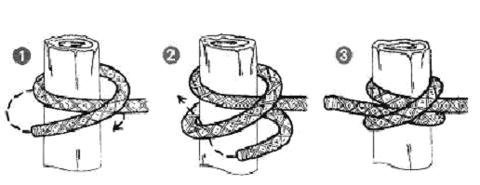
3. Figure-8
A stopper knot used at the end of a rope to prevent it from slipping through pulleys or fairleads. Its shape resembles the number 8, making it easy to identify without damaging the rope.
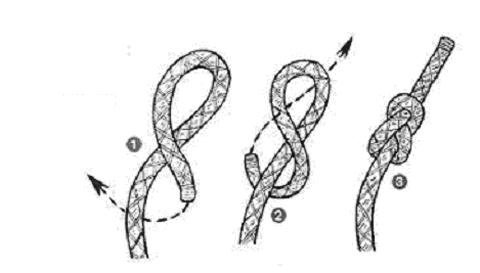
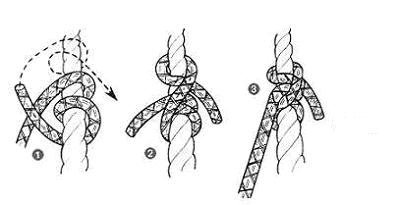
4. Rolling Hitch
Used for connecting to a larger cable, featuring a one-way grip that prevents sliding. Commonly used when a large vessel is towing several smaller boats.
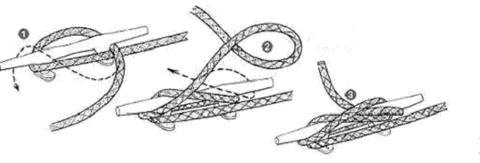
5. Horn Cleat
Specifically used for securing lines to a horn cleat on a boat or dock. The correct method follows a "figure-8" wrapping pattern.
6. Two Half Hitch
A very practical hitch for securing an anchor line to a post, ring, or tree. It tightens further as more tension is applied.