
Article Sharing
Special thanks to Mr. Zhao Duo, one of Taiwan's first-generation windsurfing pioneers (now nearly 70 years old and a contemporary of Mr. Gao Wujin), for donating a collection of "Wind Surfing Magazine". There are many excellent articles inside. I am reading them in my spare time and will gradually post them here for everyone to enjoy. Please visit this page from time to time, and feel free to exchange ideas on the message board. Corrections to any translation errors are also welcome.
At the same time, we would also like to thank Mr. Zhao for donating one of Taiwan's earliest handmade windsurfing boards from Tainan (where the mast and boom were still tied with ropes!) and Mr. Gao for donating two early triangular sails. We hope to establish a windsurfing museum in the future to showcase the evolution of boards and sails across different eras. If you are interested, you are welcome to visit the Breeze base.
Windsurfing Magazine 2003
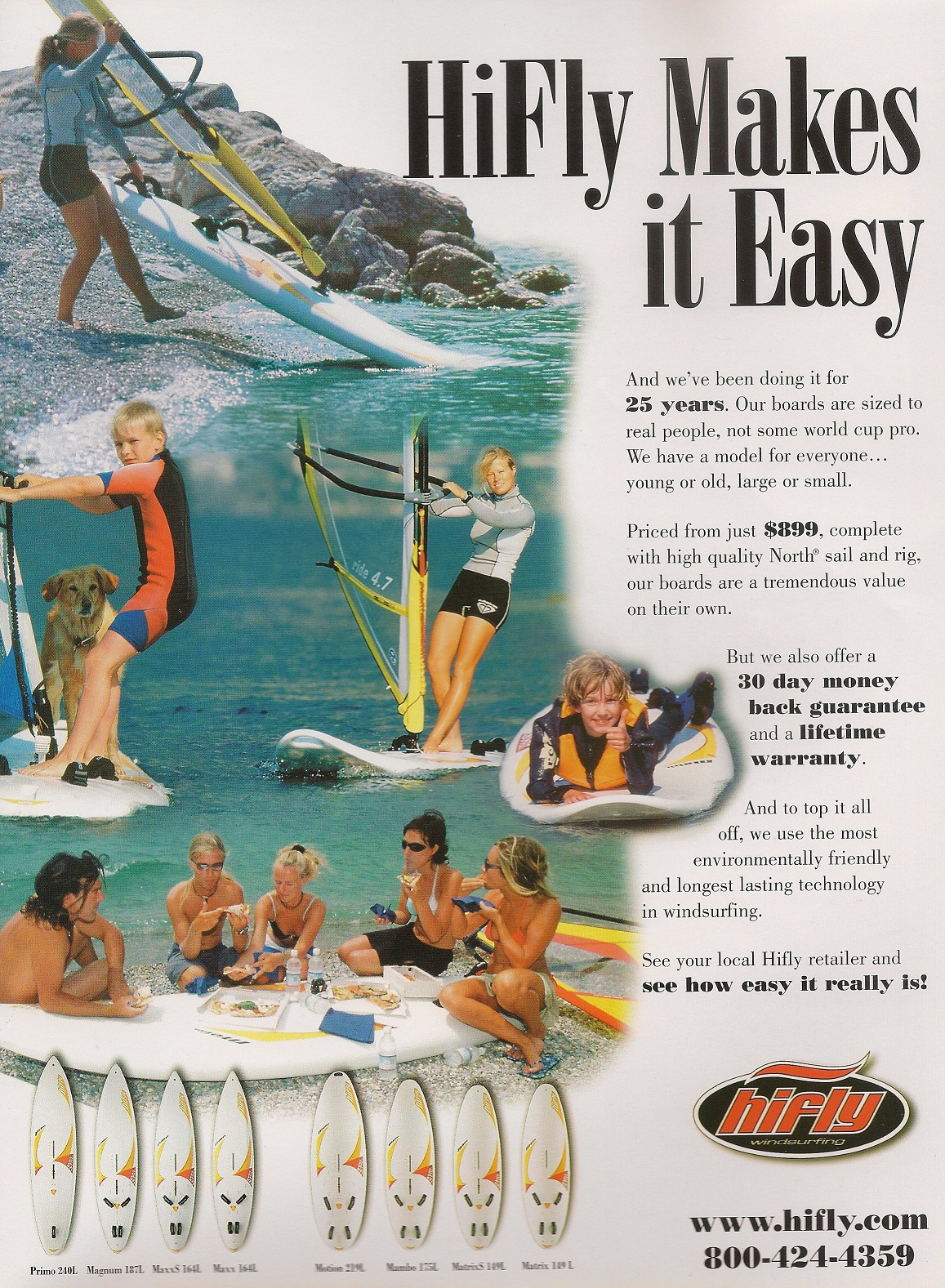
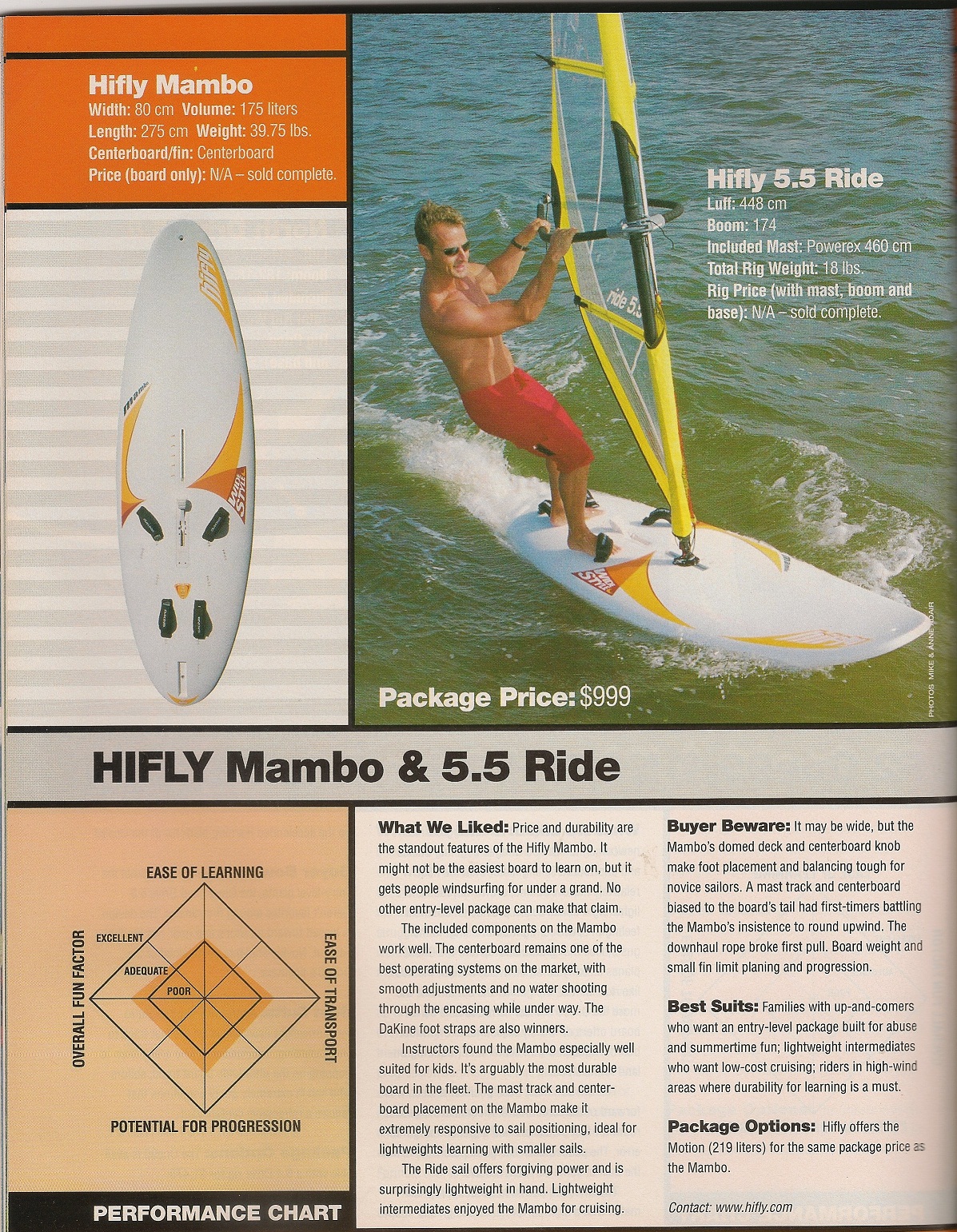
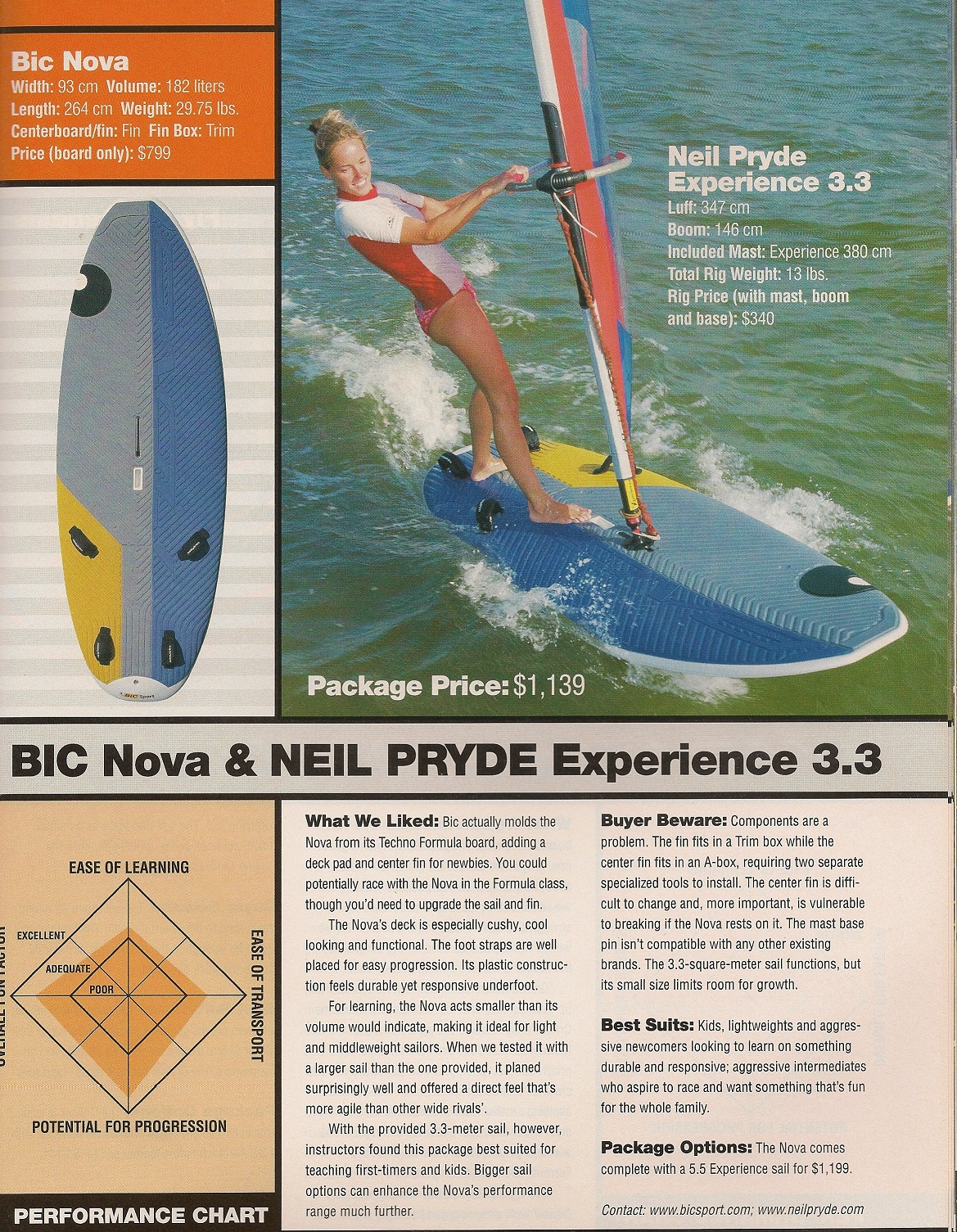
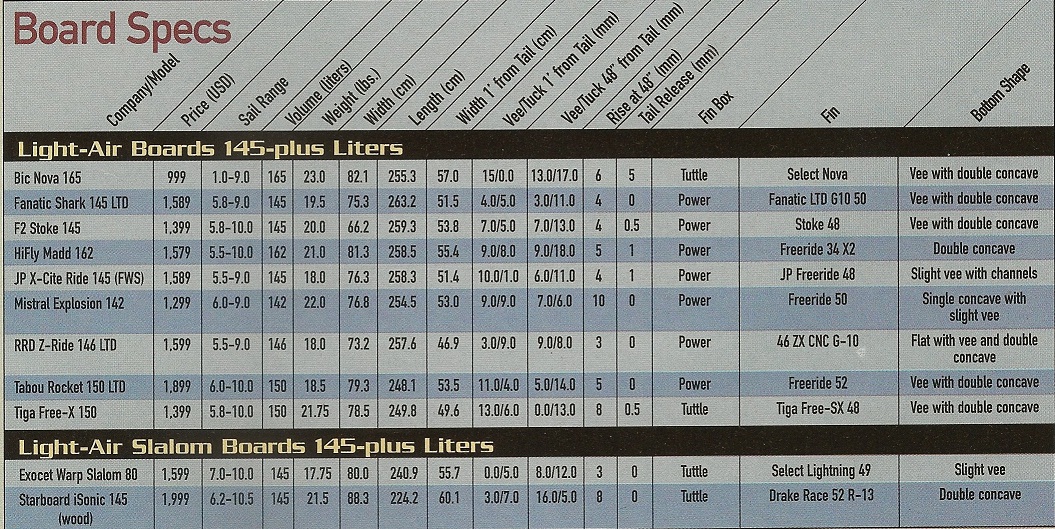
Training Board Data (Introductions and Advertisements from the magazine)
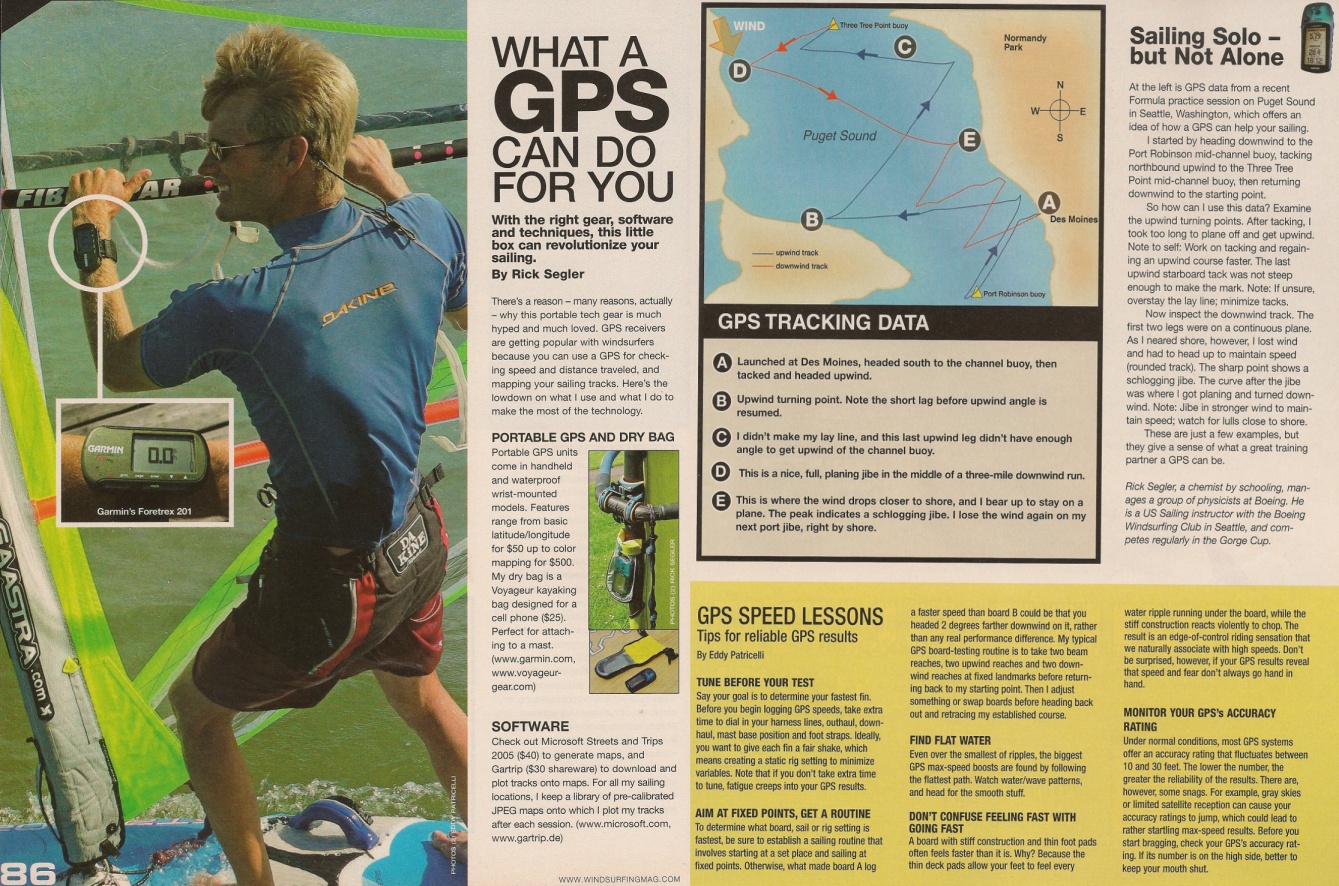
Using GPS
Front Foot During Jibing
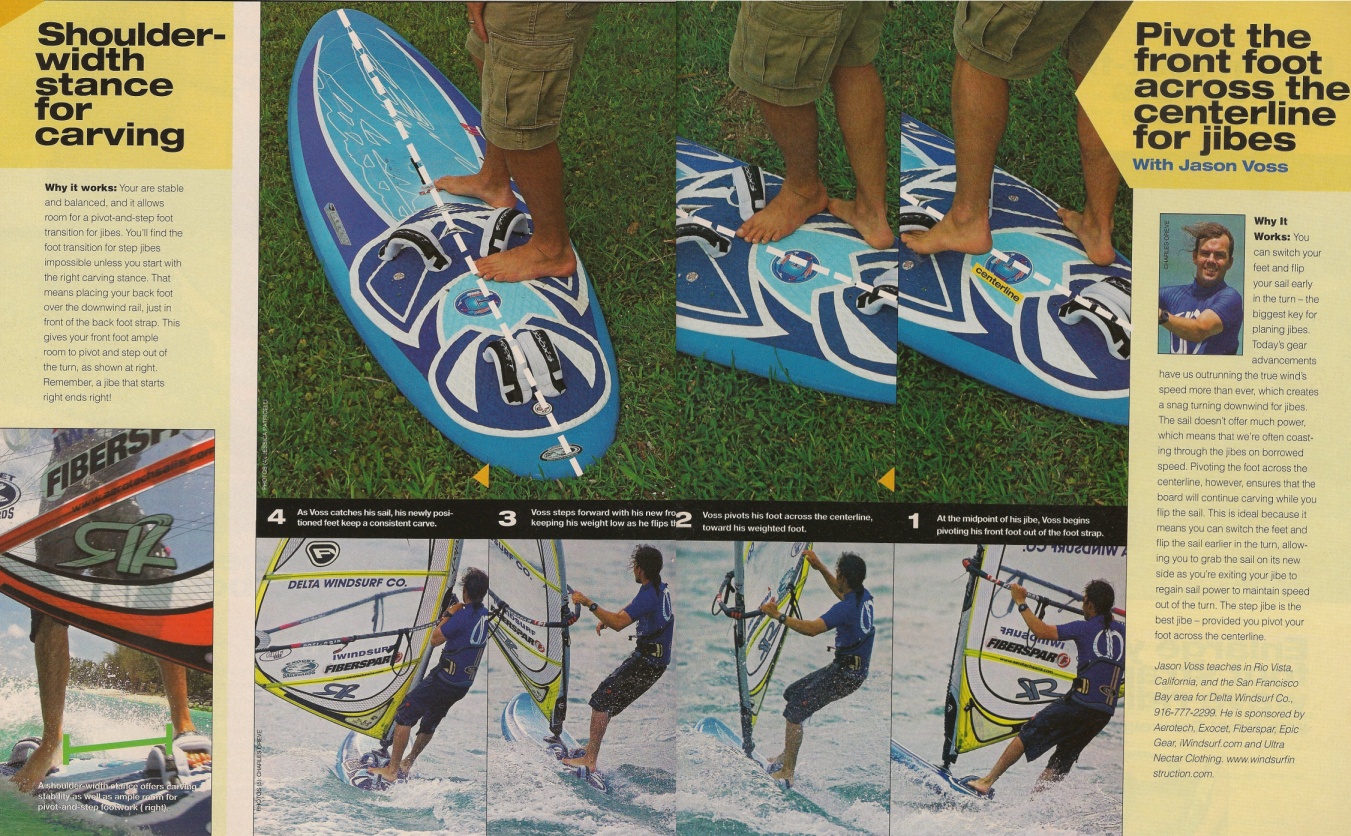
Footwork for Jibing
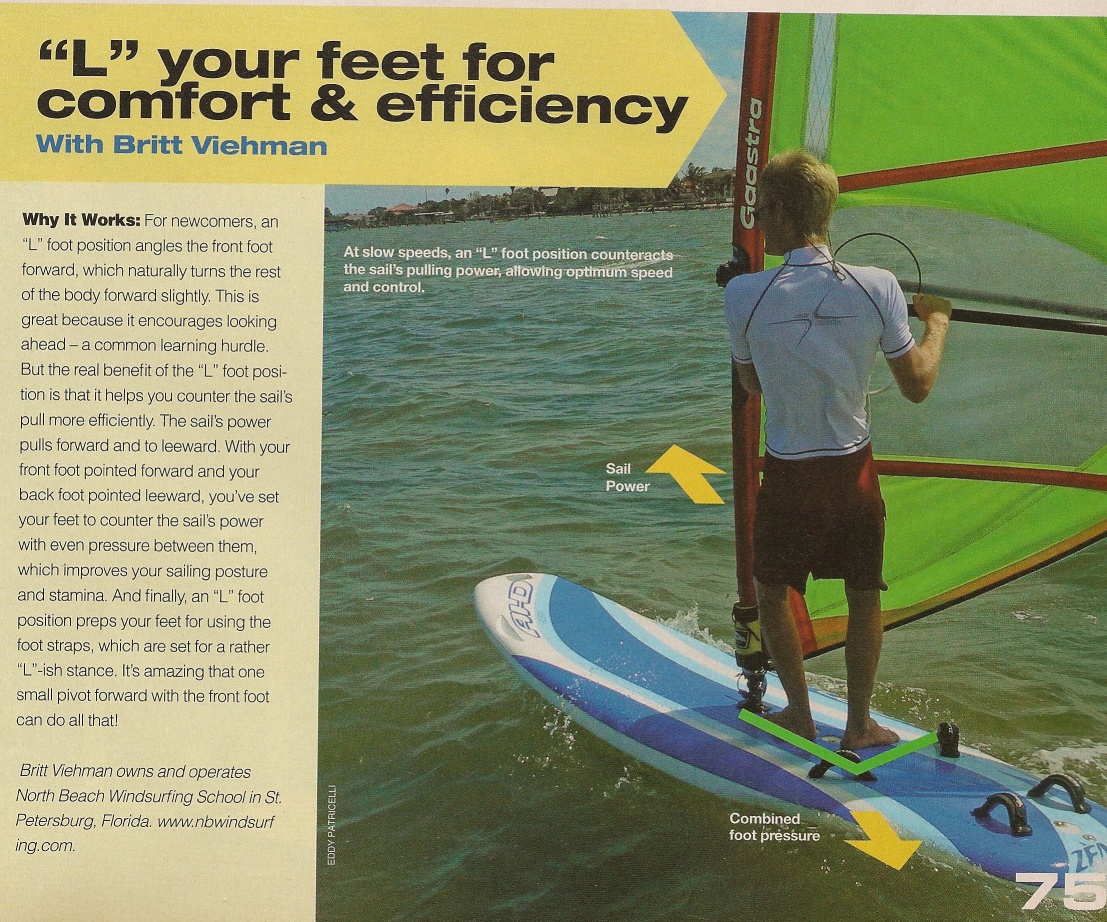
Beginner Tips - L-Footwork
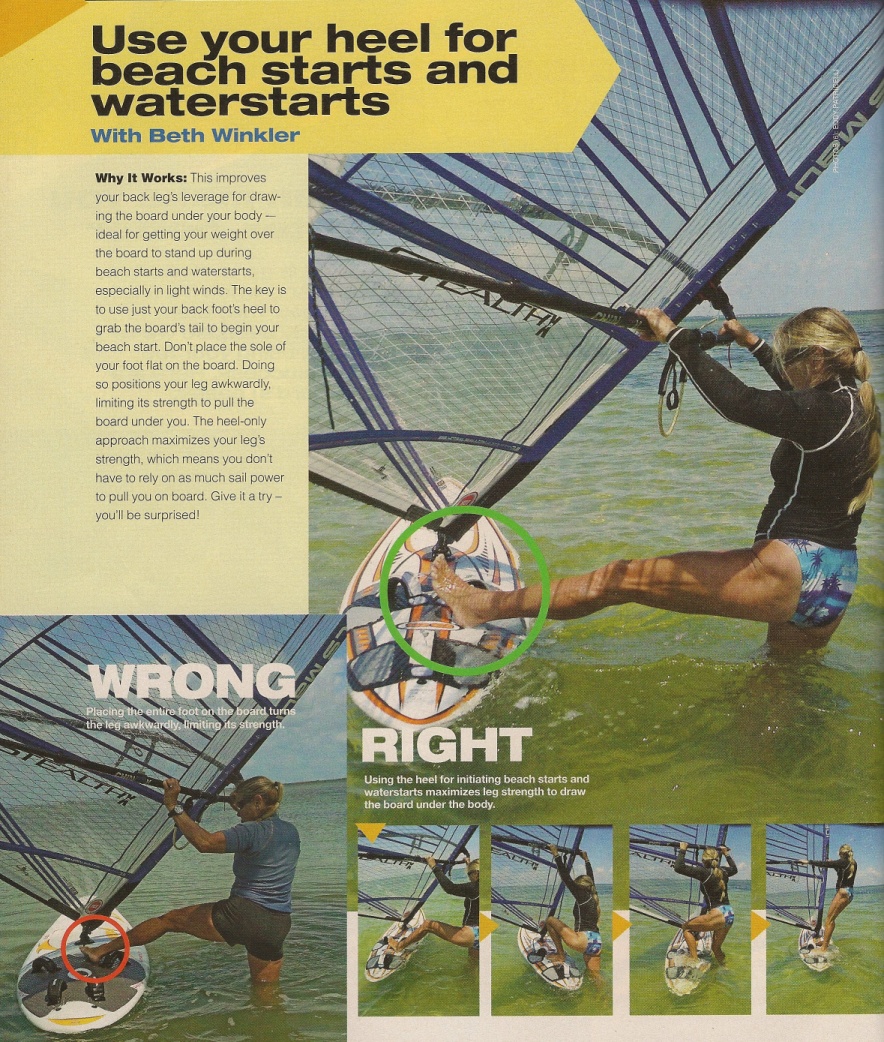
Beginner Tips - Use Your Heel
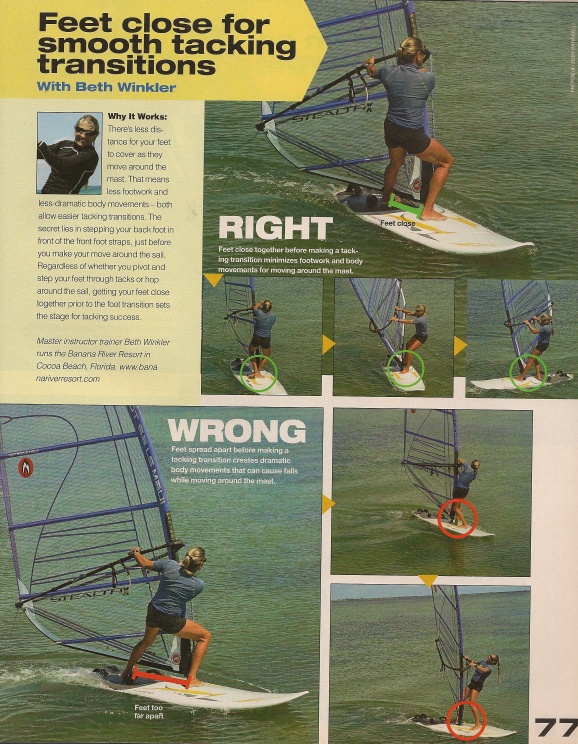
Beginner Tips - Don't Stand Too Wide
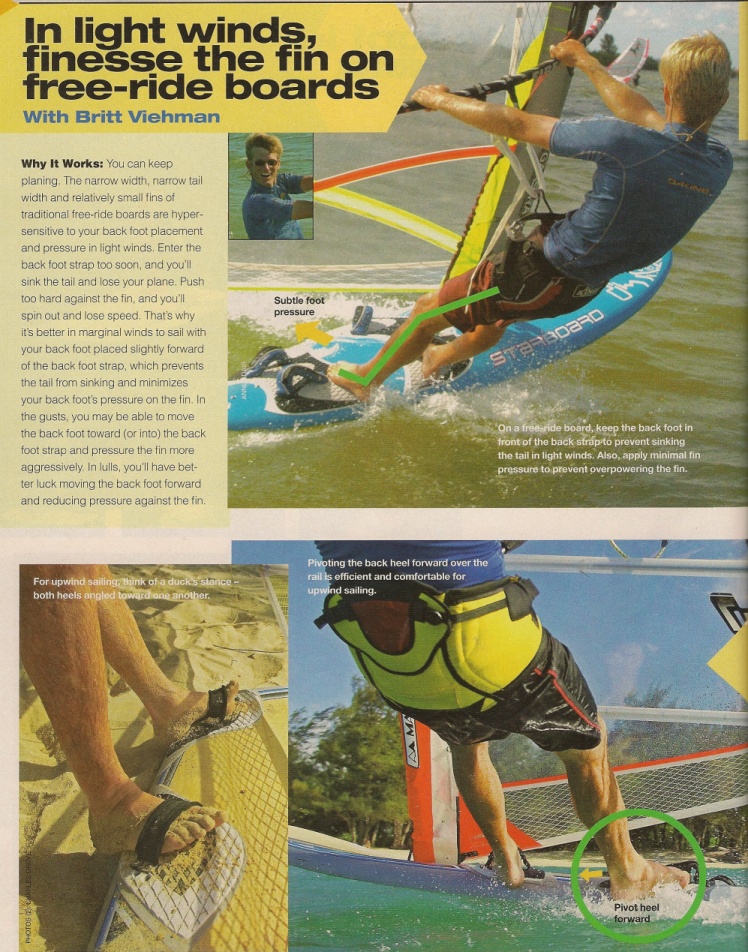
Beginner Tips - Rear Foot Position on Small Boards (Light Wind)
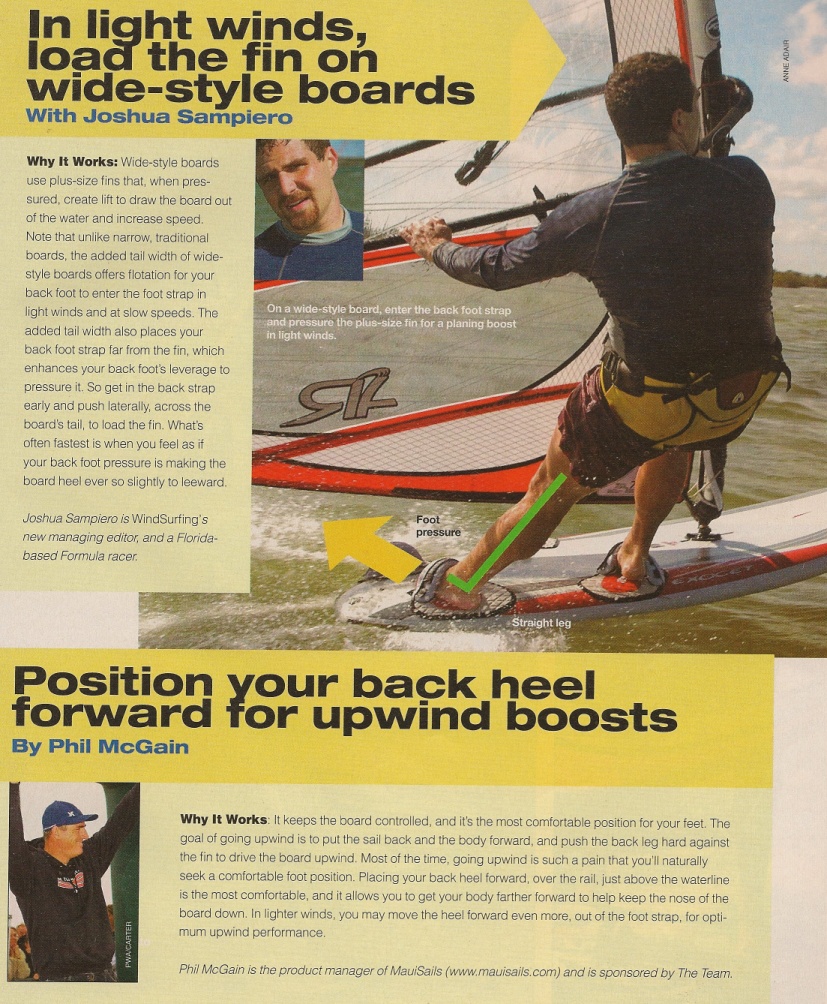
Beginner Tips - Rear Foot Position on Wide Boards (Light Wind)
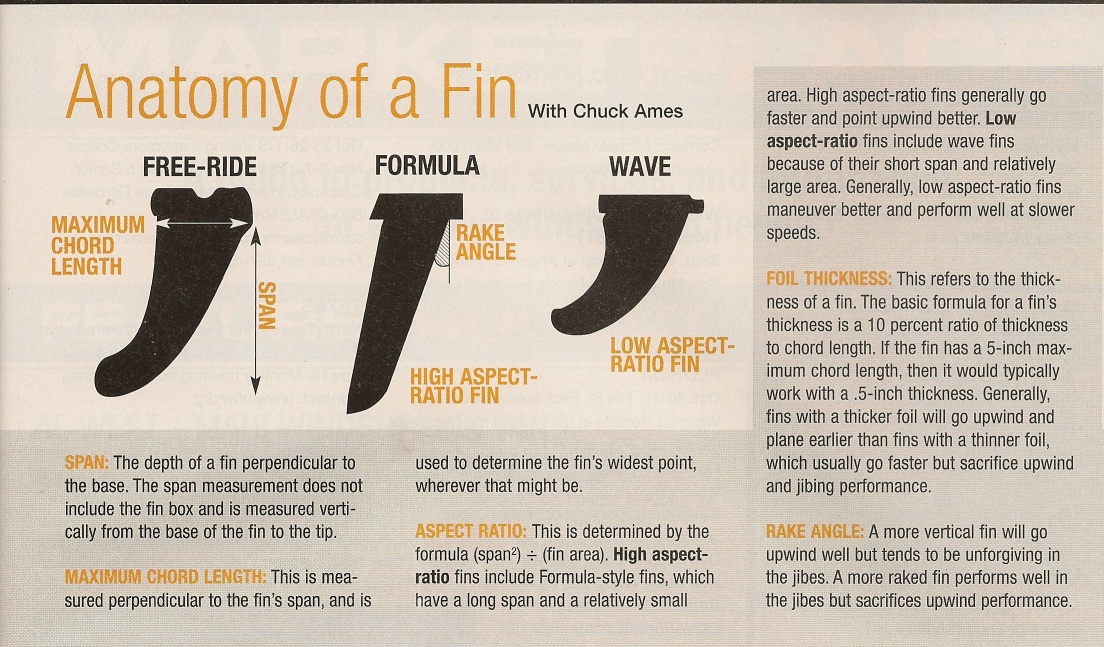
Classification of Fins
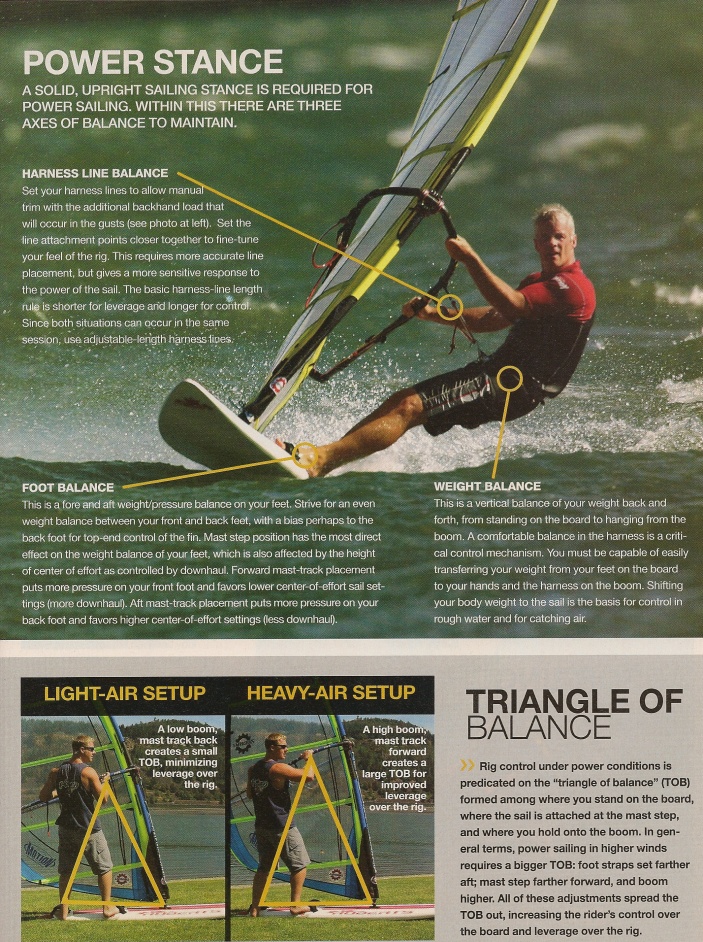
Center of Gravity and Balance
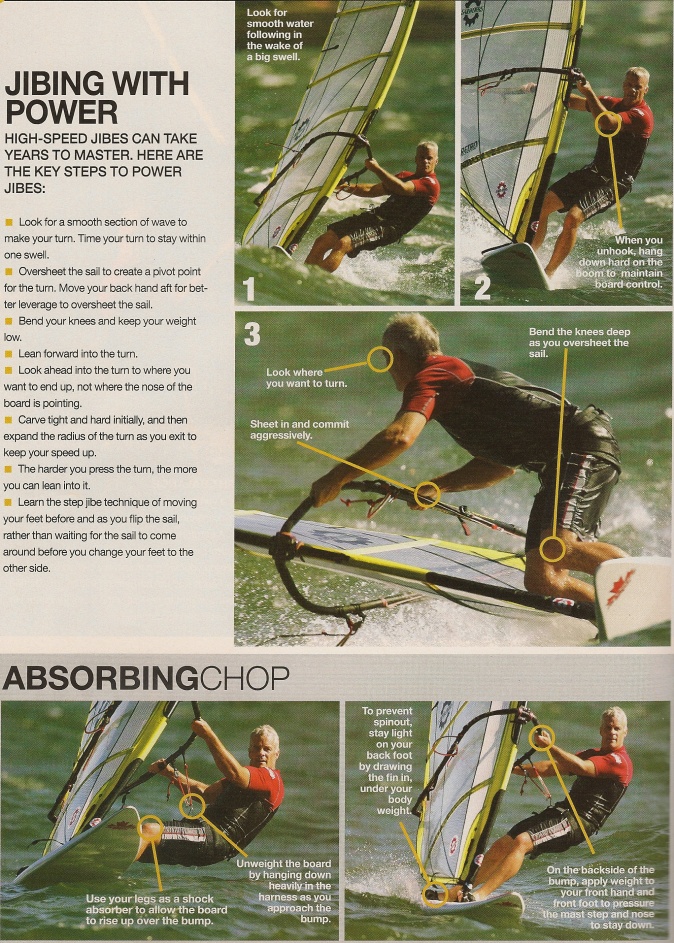
Jibing with Power
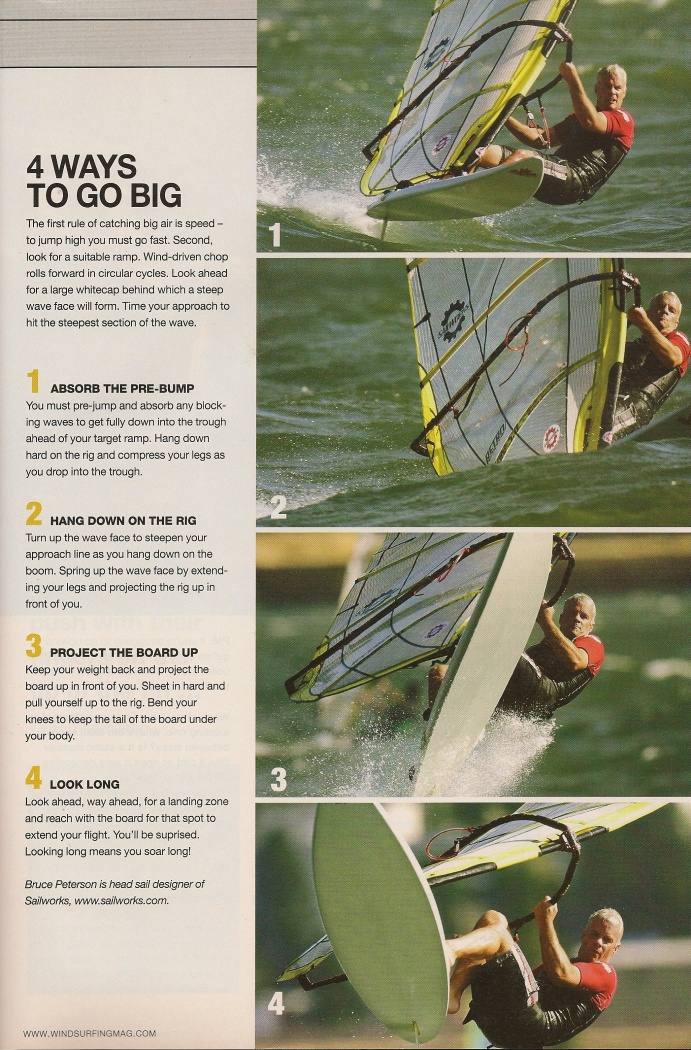
4 Ways to Go Big
Wind Strength and Sail Twist Effect
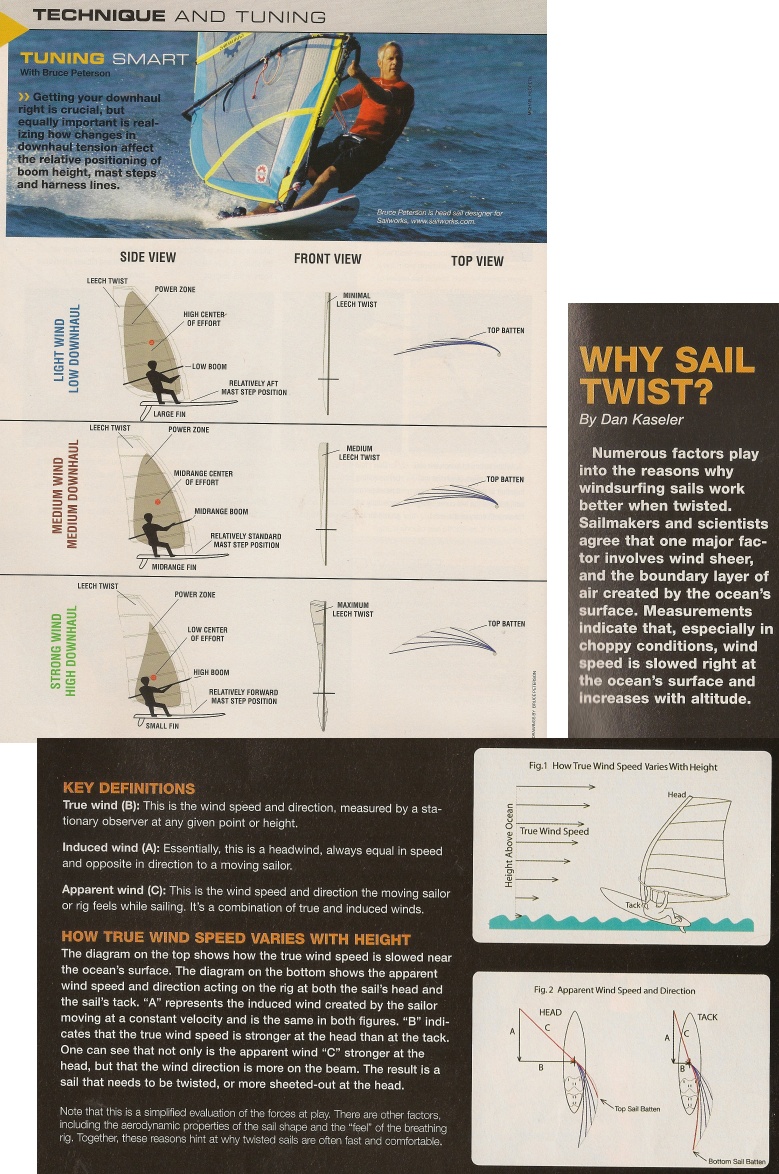
Wind Strength and Downhaul Relationship
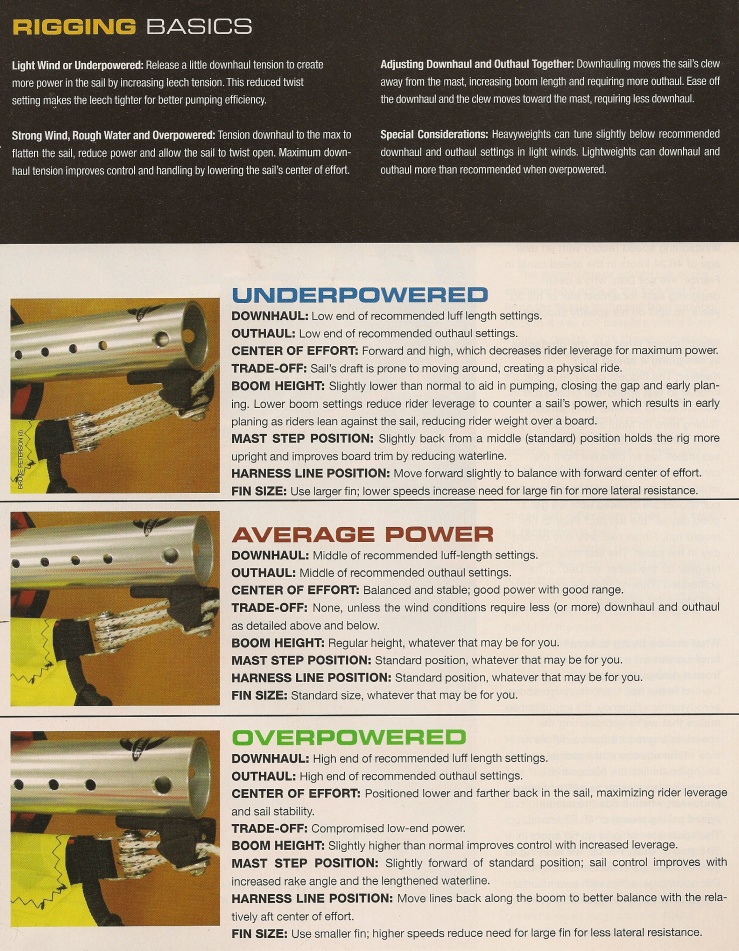
Correct and Fast Sail Rigging
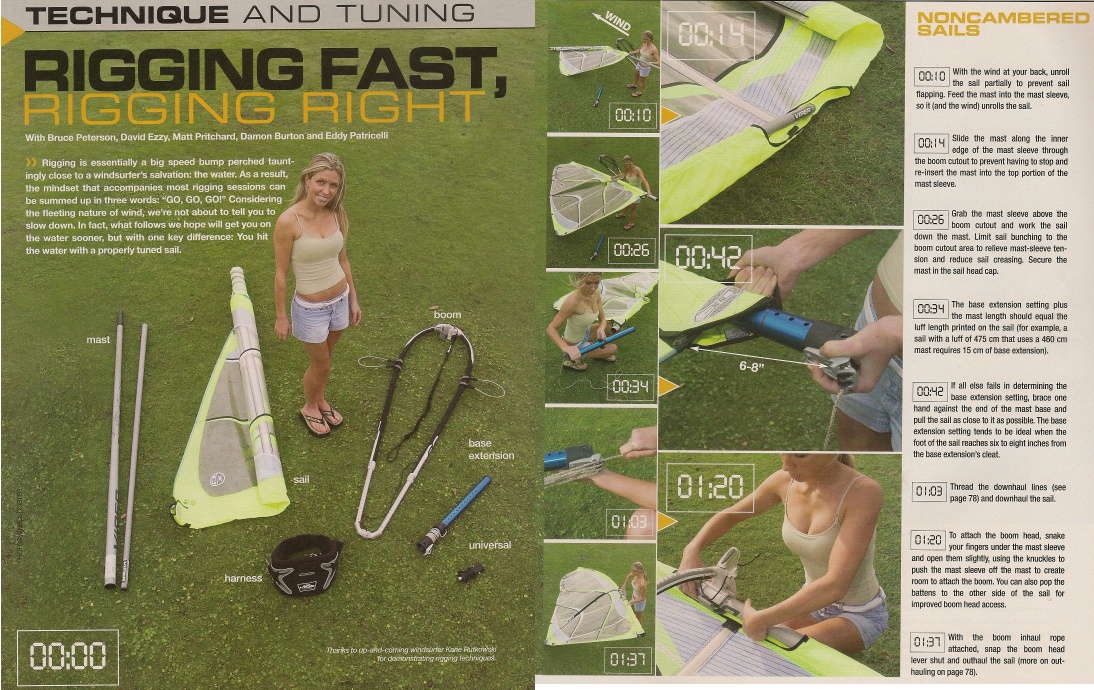
Impact of Carrying Boards on Fuel Consumption
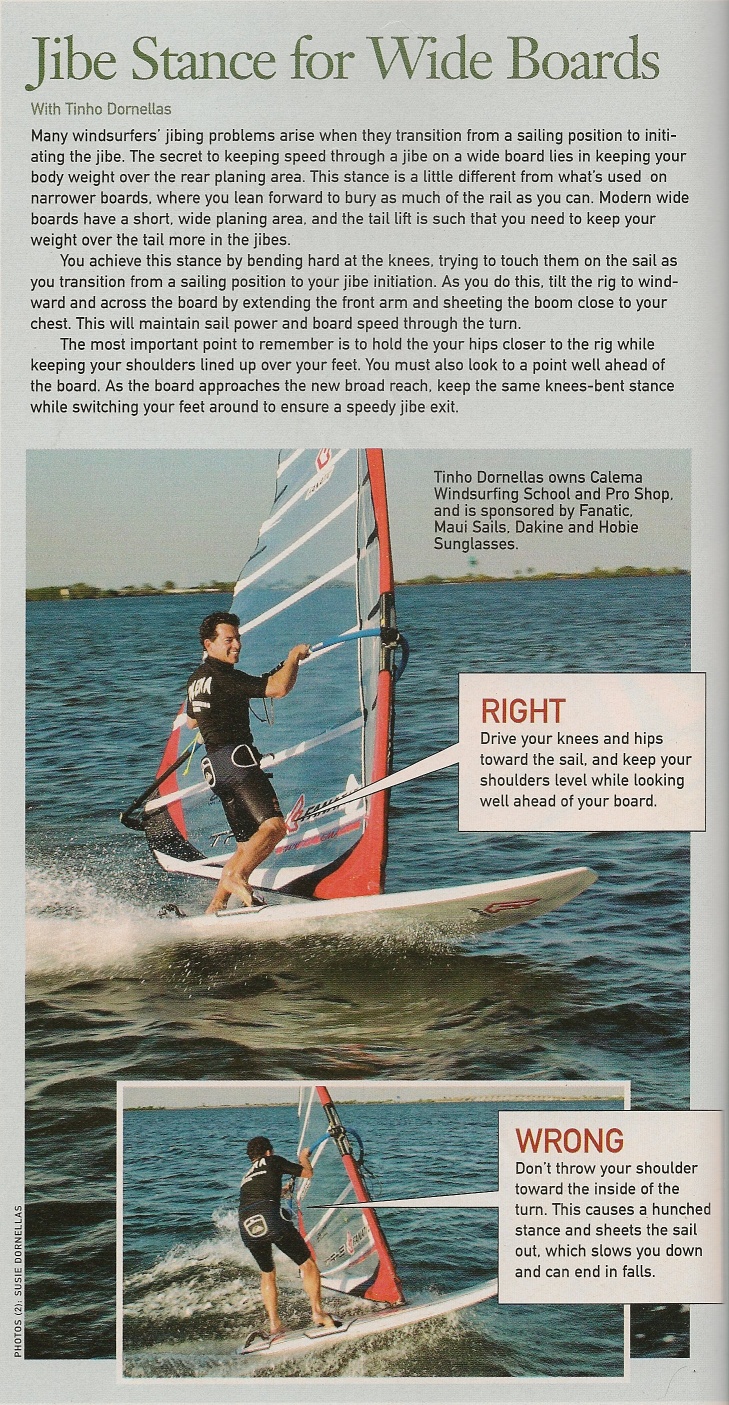
Foot Stance for Jibing on Wide Boards
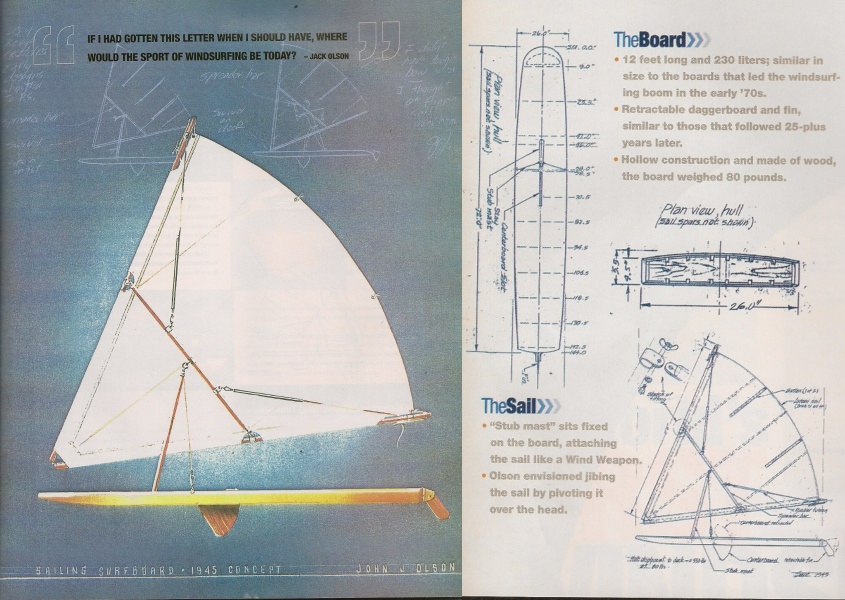
World's First Windsurfing Board Original Design
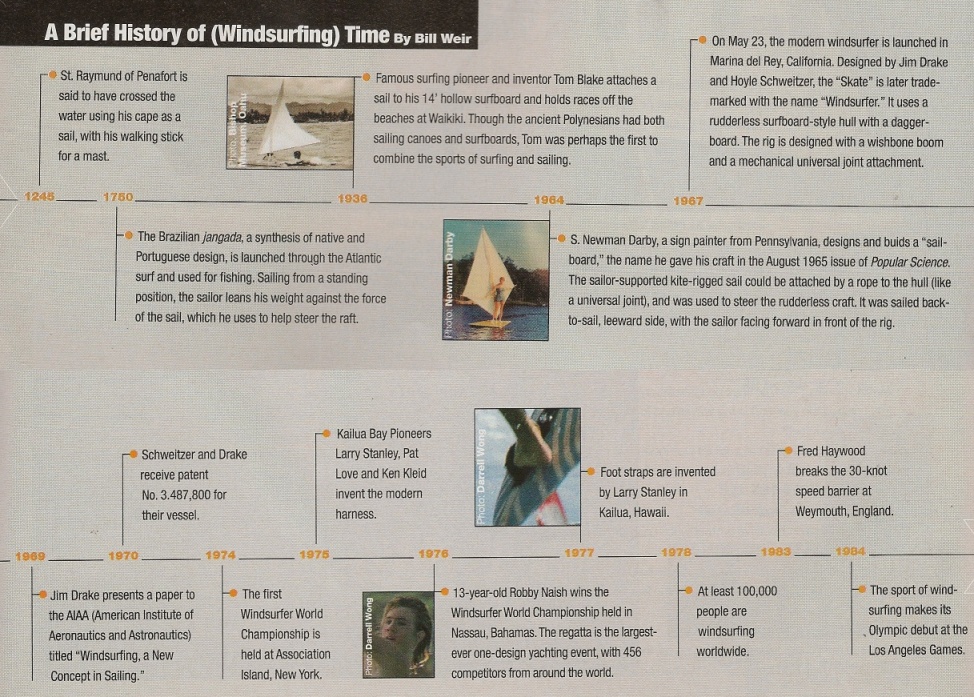
Windsurfing Evolution History Chart
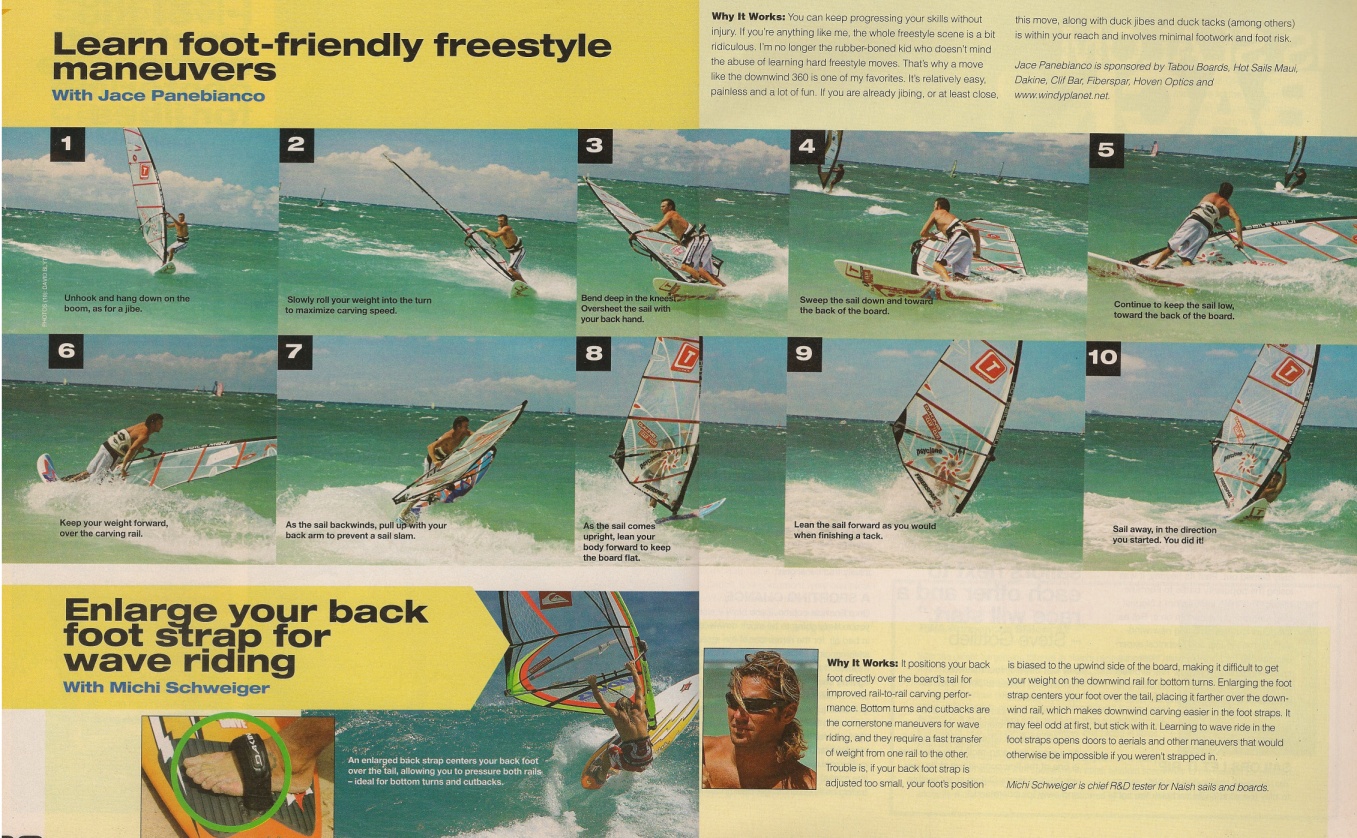
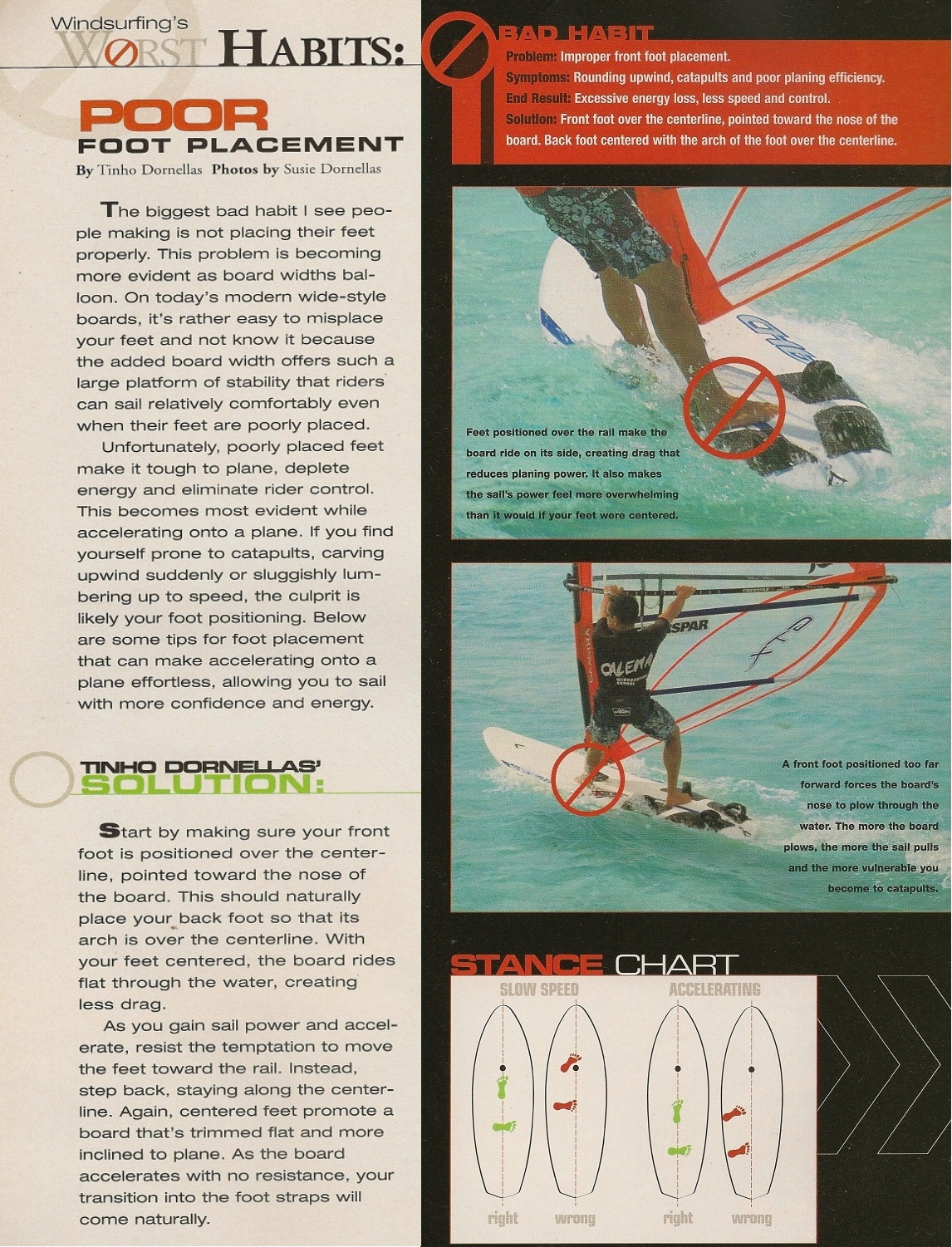
Windsurfing's Worst Habits - Poor Foot Placement
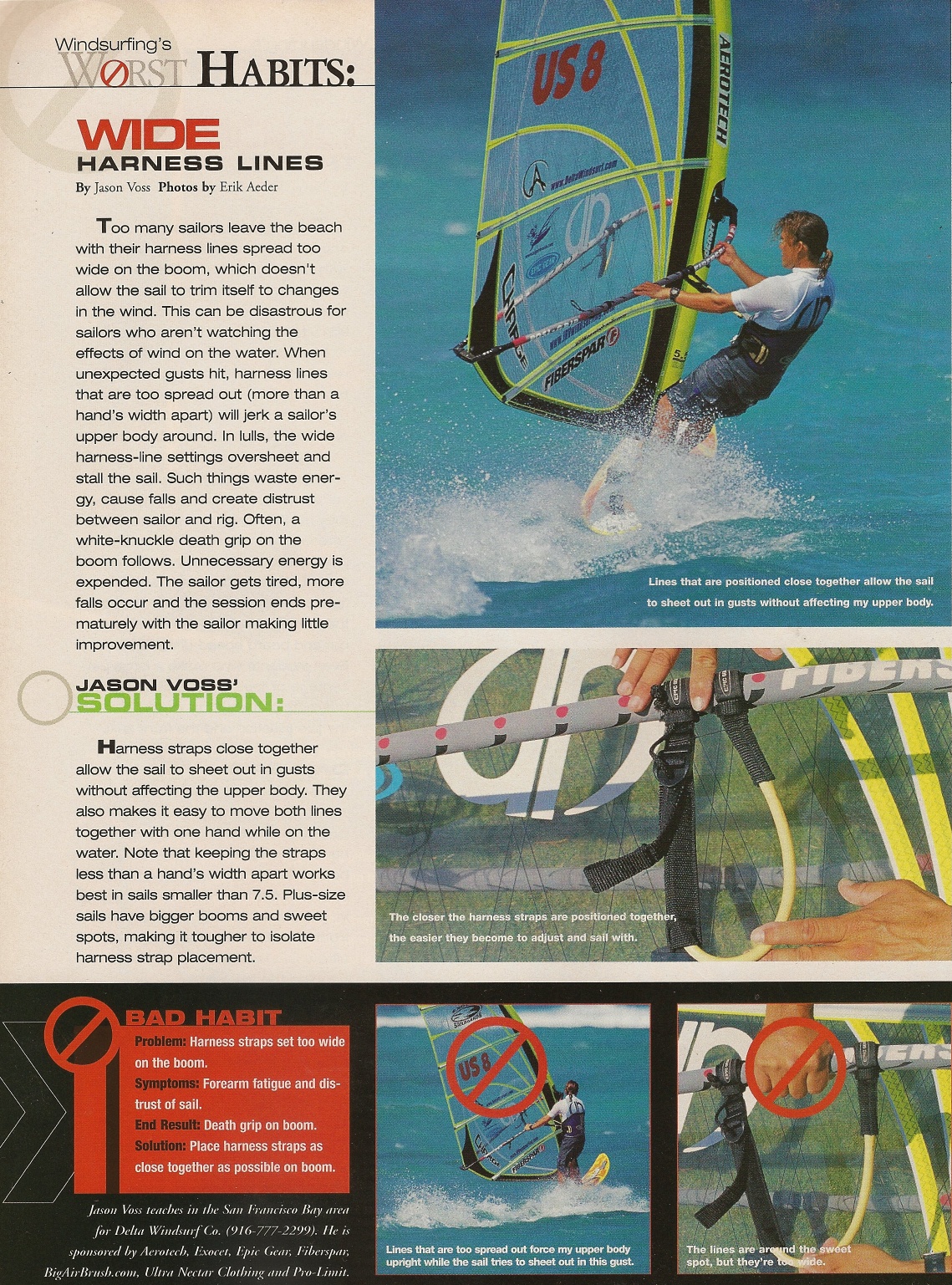
Windsurfing's Worst Habits - Wide Harness Lines
Top 5 Bad Habits
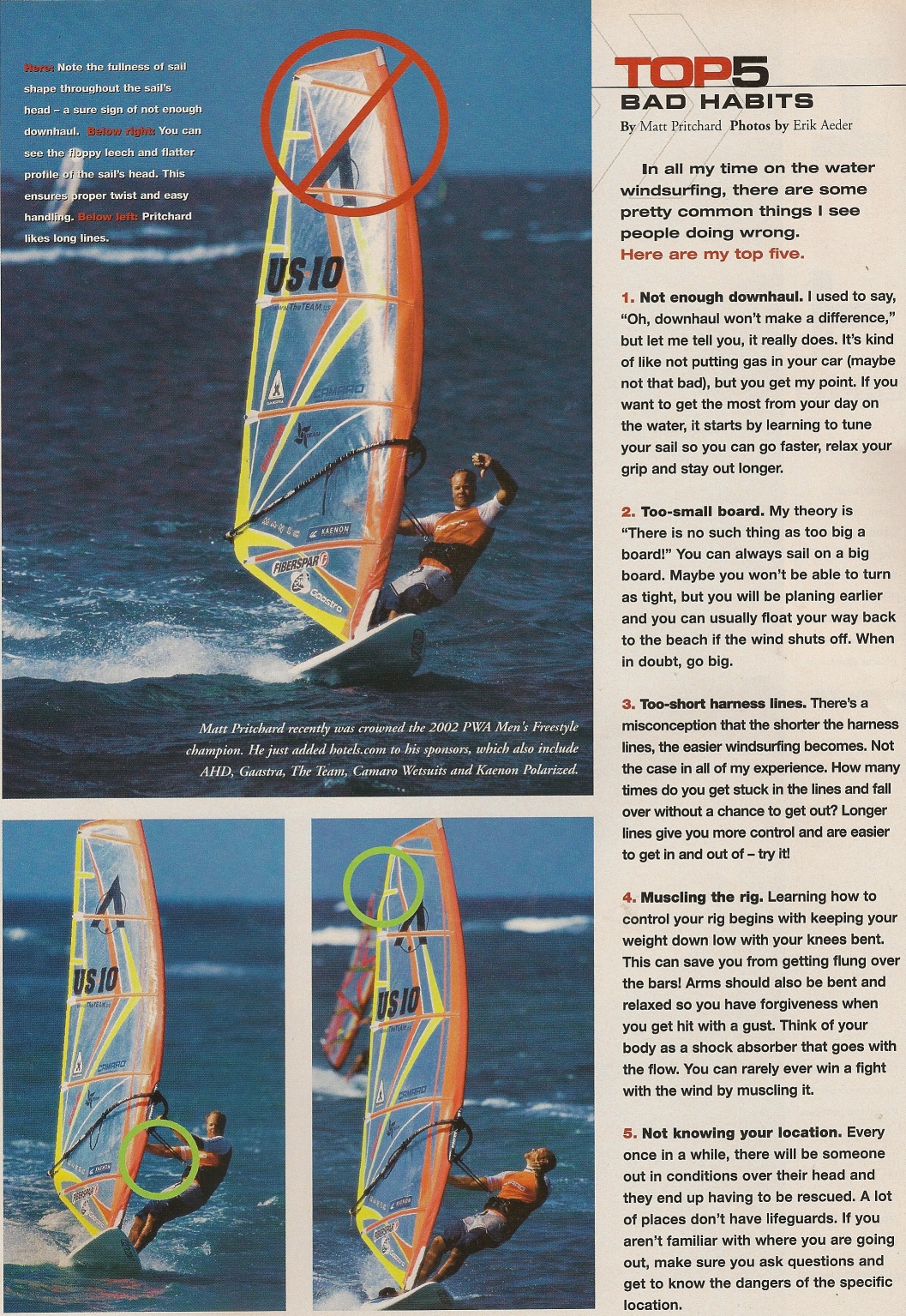
Five Common Bad Habits
- Insufficient Downhaul Tension: A properly tensioned downhaul shows wrinkles in the top window, as shown in the bottom right inset, rather than being tight like the top image.
- Using a Board That's Too Small: There's no such thing as a board being too big! It might not be as agile in turns, but it will help you plane earlier. In extreme conditions, it can even float you back to shore.
- Harness Lines Too Short: Short lines can make it difficult to hook in and out, potentially trapping you.
- Maintain Power Control: Learn to bend your knees and lower your center of gravity to control your sail. Keep your arms relaxed and slightly bent to act as shock absorbers during gusts.
- Know Your Location: Life-guards aren't everywhere. When sailing in a new area, always ask about local conditions and hazards.
First Board Buying Rules
- 1. What you want isn't always what you need.
- 2. Improvement in your windsurfing is based on time on the water. A board that allows you to sail the most often is the board you'll improve the most quickly on.
- 3. The wider the board, the easier it is to keep your balance. The better your balance, the less you fall. The less you fall, the more energy you have to keep practicing.
- 4. If available, take a lesson. The board-buying advice you'll get from an instructor who's seen you windsurf is the best board-buying advice you'll find.
- 5. Don't overstate or overestimate your sailing ability. Honest self-appraisal brings forth gear that allows the best chance of the improvement you dream of.
Bang for Your Buck
- 1. In sails bigger than 7.0, at least a 1.5-meter jump to the next size is recommended. For example, if you own a 7.0, the next size to consider should be an 8.5.
- 2. When purchasing a bigger sail, save money by finding the biggest sail available that fits on a boom and mast you already own.
- 3. Adjustable outhauls improve a sail's range dramatically, especially in areas where conditions can be gusty. Try one.
- 4. A larger fin could offer the low-end planing power you thought only a larger board or sail could provide.
- 5. A smaller fin could offer the high-end control you thought only a smaller board or sail could provide.
- 6. An upgrade to a higher carbon-content boom or mast could turbocharge your current light-air sail - negating the cost of that bigger sail you thought you needed.